Interactive route guide
Interactive Bellwright Map Guide - Routes, Locations, and Travel Planning
Use this interactive route guide after you know the goal but the trip still feels messy. Start with the kind of day you need to run, then open the route or location page that turns a one-off target into a repeatable loop with a cleaner return.
Quick Answer: Plan the trip before choosing the destination: name the item or goal, estimate food and carry support, pair nearby pickups, and decide where the return goods will go. A route is worth repeating when it brings back something the current save can use without draining village uptime. If you only need one named item, open its resource or location guide instead of scanning every route.
Start with the trip
8 route and location answers for common travel problems
Choose the answer that matches the trip you are about to make: a first-hour loop, building run, ore push, named stop, hunt target or outpost scouting day.
8 route answersEach page starts with a travel goal, a support check, the right stage and the next useful step.
3 trip typesStarter loops, progression trips and named-location answers keep the first click tied to why you are leaving base.
Named location answersHigh-intent pages like Black Tusker, traders and base locations sit close to the route planner instead of getting buried.
Recent route changesCheck player-facing updates when a patch may affect locations, travel behavior or route value.
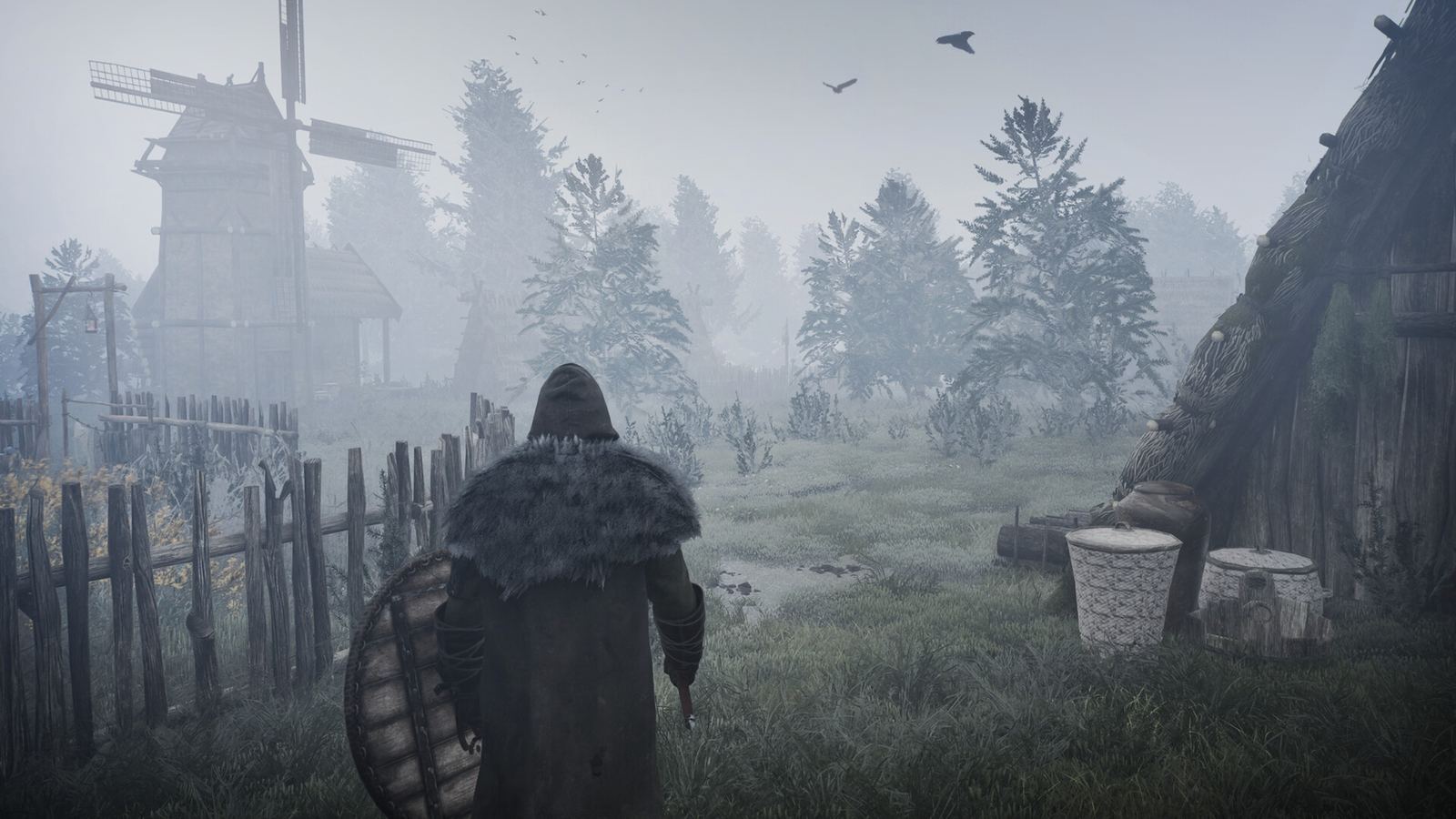
Route guideUse after you know the item and need a cleaner trip.
Travel notes
A good route page should save distance, time, and return friction
Map help is most useful after the player already knows the target. The job here is to cut wasted walking, pair nearby pickups and decide when an outpost or storage stop is worth it.
MiningOre routePlan iron, copper and coal together so the trip has a real return path.
BuildingBuilder routeGroup wood, stone, clay and thatch around the build queue instead of one-off trips.
ExpansionFirst outpost timingCheck home stability, receiving storage and one proven remote job before building.
Find a trip
Find the route that fits your next goal
Type the thing you want most right now, like food, clay, trader, ore, outpost or village, and the route links below will narrow down.
Showing trip links on this page
Showing all route families and location answers.
No matching route links yet. Try a broader word like food, ore, trader, base or village.
Route planning ledger
Bellwright routes by goal, support check and next page
Choose the trip type before choosing the destination. This table is a route-planning ledger, not a promise that every save has one fixed perfect point.
| Route | Main goal | Check before leaving | Best stage | Open |
|---|---|---|---|---|
| Starter resource loop | Food, wood, stone and fiber | Nearby storage, enough food for the return, low-risk path | Opening hours | Beginner Route |
| Worker food loop | Protect village meals and uptime | Food reserve, field or hunting support, return space | Opening onward | Food Routes |
| Building material loop | Wood, stone, thatch and clay | Current build queue, carry capacity, receiving stockpile | Early to mid-game | Building Materials |
| Ore and fuel loop | Copper, iron ore and coal | Mining readiness, food, storage and a clear return plan | Mid-game push | Ore Locations |
| Trader and POI run | Visit a useful named stop | Reason for the visit, spare carry space, route back to base | When a request is active | Trader Locations |
| Black Tusker hunt | Find a named animal target | Combat food, equipment condition, retreat route and return storage | After first combat prep | Black Tusker Spawn |
| Outpost scouting run | Evaluate remote production support | Home village stability, receiving storage and repeatable travel value | Stable village stage | Outpost Locations |
| Base relocation check | Decide whether geography is the blocker | New site access, build cost, food coverage and worker travel | Before major expansion | Base Locations |
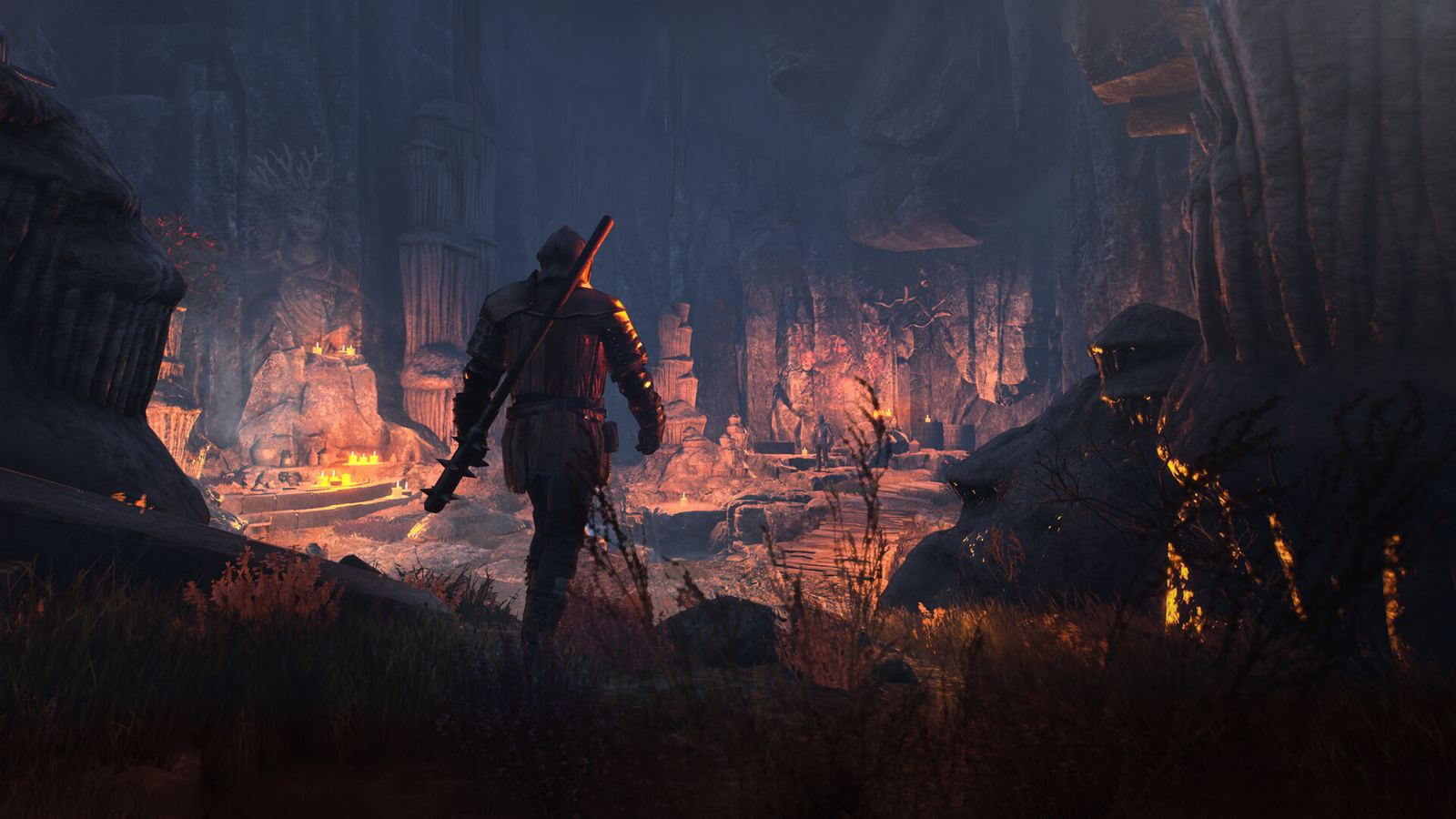
Route logic
Plan the loop before you leave base
The best map page is not the one with the longest travel list. It is the one that tells you whether the trip should be a food run, a building loop, a mining push, or a scouting day with a useful return.
Route choices
Plan the trip by purpose before leaving the village
Most weak trips are not failing because the destination is wrong. They fail because the loop solves too little on the way out or back home.
Short stabilizing trips, building loops, ore pushes and outpost scouting each belong to a different save stage and should feel different here.
The best travel pages point toward the extra food, building support or fuel value that turns a decent trip into a strong one.
Food, carry space, storage and next-day worker uptime all matter more than how exciting the far region looks on paper.
Featured route families
Open the travel lane that matches the kind of day your save can actually support
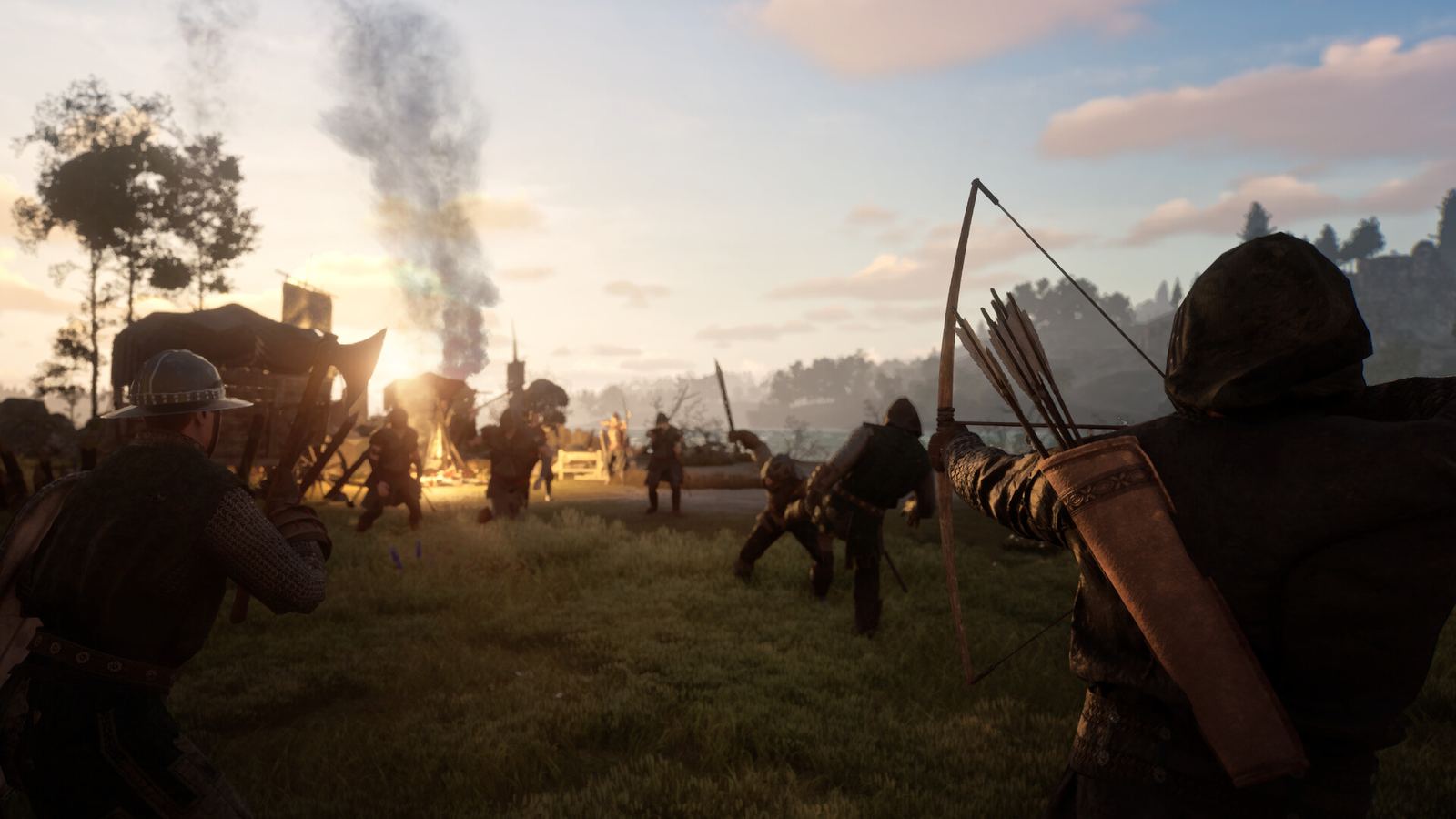
Short-loop family
Use these routes when the save still needs boring, reliable returns
Food, wood, stone, clay and short construction loops protect the village better than long heroic detours while the base still is fragile.
Progression family
Longer trips should buy a real jump in value
Ore, coal and later-region travel only are worth it when the return chain and next upgrade target already are clear.
Open Ore Routes
Remote family
Use outposts as route support before the trip gets too long
Remote travel becomes strong when the village is healthy enough that the trip can repeat instead of barely surviving once.
Open Outpost RoutesRoute board
Choose a trip by what it needs to solve
Bellwright rewards short, repeatable loops. Start close to base, pair linked materials, then return to storage before inventory, food or worker support becomes the real problem.
Trip type first
Choose the route style before you choose the exact location
Stabilize the saveUse a short opening loop when food, wood and stone all are still fragile together.First hour
Protect worker uptimeOpen food routes when the village is losing time because meals and returns are too weak.Worker support
Keep construction movingUse building loops when stock, stone, clay or thatch are breaking base expansion.Construction
Push progressionUse mining routes only when hauling, food and storage can support heavy returns.Mining push
Today's route
Pick the run by what the village can afford right now
The right route changes with village condition. If food is thin, storage is messy or workers already are under pressure, the strongest map answer often is the safer short loop instead of the more exciting distant target.
Short day
The base still needs a safe stabilizing loop
Use a short resource route when food, wood, stone and worker rhythm all still need protection together.
Queue support
The build queue matters more than discovery
Use building routes when clay, stone, thatch or wood are the real blockers behind expansion.
Progression push
The village is stable enough for a heavy return
Use ore routes when food, hauling and receiving storage are ready to absorb a bigger trip.
Specific stop
I need one named target, not a whole loop
Use trader and named-location pages when the goal already is clear and the map question is just where to go.
Route triage
Choose the next route page by what is wasting the day, not by what looks far away on the map
Short-day repairs
The village still needs boring trips that keep tomorrow from collapsing
When food, wood, stone or clay keep breaking the daily loop, the right route is usually the short one that protects base rhythm instead of chasing a bigger unlock.
Mid-range value
You know the item, but the trip still feels inefficient and underpaid
That usually means the route is missing a second pickup, a cleaner return path or the right stage timing. Map pages should help fix the loop, not just name the place.
Named target
You need one exact spawn, trader stop or region answer right now
Open the location page when the trip is already clear and the real question is where the target actually shows up in a repeatable way.
Long-range commitment
The route only makes sense if it can stay useful for many more days
This is where outpost timing, base position and remote support matter more than a single trip. The map page should point you to the decision that checks commitment first.
Plan the return
Start from the resource goal
Bellwright does not need one long trip for every problem. A stronger map page gives players short loops, linked resources, and a reason to open the next page.
Route checklist
Judge the route before committing the in-game day
Target valueThe trip should solve a real problem: food uptime, build materials, ore and coal, a trader stop, a POI or one named spawn.
Return valuePlan the drop-off before leaving. A route that ends with a long overloaded walk usually is not a good route yet.
Risk valueIf the path crosses combat pressure, bring food and use a reward that justifies the fight and travel time.
Repeat valueIf you will run the same far route often, check outpost timing or base position instead of repeating a bad commute.
This map page was shortened to keep the search, route ledger, route-family links and follow-up checks without repeating the same route advice several times.
Leave now or wait
Do not force the route if one of these checks still is red
Food is only barely enoughWait or switch to a shorter loop. A route that empties the village meal buffer usually is not the right route yet.
Drop-off is unclearIf you do not know where the load will go on return, the trip usually costs more time than it earns.
The village is already stalling without youFix worker, food or construction pressure first. Long trips punish unstable bases harder than weak map knowledge does.
The target only solves one small problemWait until the trip can solve a bigger blocker or pair it with a useful second pickup on the way back.
 The beginner loop is still the cleanest answer when the save needs one short route that fixes several basics.
 Ore routes work better when the run has a return purpose, nearby support and enough food to finish the day.
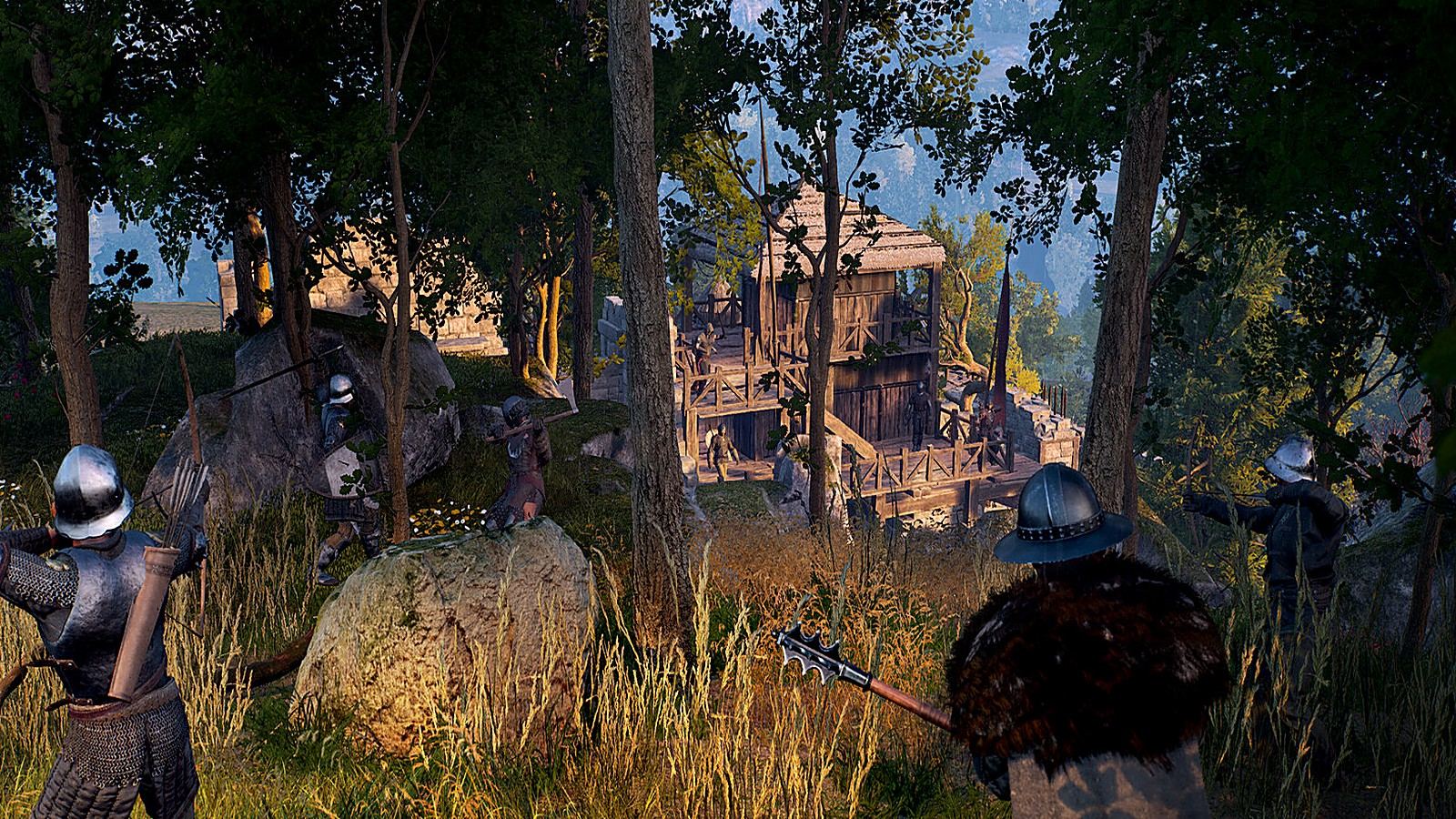 When every route feels awkward, the map problem is often really a base-location problem underneath it.
Location Pages
RouteBeginner Resource RouteFood, wood, stone and fiber route for the first hour.Start here
LocationWood LocationForest gathering, storage and settlement use.Building route
LocationIron Ore LocationMining and progression resource planning.Ore route
LocationFlax LocationFiber gathering and early crafting route.Fiber route
Common Route Mistakes
Making the route too wideOnce a route tries to solve everything, it usually stops being fast enough to repeat cleanly.
Leaving without a food planBad food support makes even simple gathering routes feel slower and riskier than they should.
Using distance as the only testA closer route can still be bad if storage, return flow or related items are missing.
Forcing a route from a weak base regionIf every useful loop feels awkward, the base position may be the real blocker.
When Map Is the Right Page and When It Is Not
Use map when the problem is the trip itselfMap pages are strongest when you need a shorter loop, better pairings, or a clearer region choice.
Do not stay on map if you really need one exact itemOnce the route type is clear, open the matching resource page so the trip has a real anchor item.
Do not stay on map if the issue is system-wideIf workers, trust or production are failing across the whole base, use the guide pages instead of over-focusing on pathing.
Map will not fix a bad settlement regionIf every route feels bad, the root issue is often the base location rather than the route drawing itself.
Common map searches
Best Location Guides
How to Use an Interactive Bellwright Map Without Wasting Time
An interactive Bellwright map is most useful when it supports a decision you already understand. Before opening every marker, decide whether the trip is a short supply loop, a named target search, a trade stop, an ore run or an outpost scouting route.
Filter by the job of the tripFood, ore, trader, point of interest and named hunt searches should not be planned the same way.
Pair nearby needsA good route returns with the main target and one useful secondary material, not five unrelated stops that overload the trip.
Judge the return pathThe route is weak if the destination is good but the return creates inventory, combat or food problems.
Record repeatable routesIf a path works twice, treat it as a reliable lane and connect it to the matching resource or guide page.