Too early
The main settlement still struggles with meals, hauling, storage or worker order
Do not add a remote camp while the home base is still asking for basic rescue work.
First outpost
This page answers when the first outpost is justified. It does not choose the best location or explain the full supply line; first prove that the home base can support one repeated remote route without rescue trips.
Use this when
Use this page when remote work is tempting, but you need to know whether food, workers and storage can support a second location.
First outpost decision lanes
Too early
Do not add a remote camp while the home base is still asking for basic rescue work.
Right reason
This is the clean outpost case: a valuable lane already exists, and support will reduce repeated waste.
Wrong reason
That may be a relocation or layout problem, not a first-outpost problem.
System ready
That is the best first-outpost window. Keep the first remote camp simple so it starts as support, not sprawl.
What a first outpost should solve
Good first outposts support one repeatable remote route that the home base is tired of running manually.
They work best when the route already is valuable and only needs support, not proof.
What goes wrong
If food, hauling and job order still are weak at home, the outpost usually inherits those same problems and adds distance on top.
That is why home stability still decides outpost timing.
 Use outposts for proven remote lanes, not as a rescue plan for a shaky home village.
 The first outpost should shorten one real route and connect back into storage, food and support without drama.
Before you build
Use this quick pass before placing anything. If more than one answer feels weak, keep strengthening the main village first.
These are planning signals, not claims about a fixed patch threshold. Bellwright saves vary with map position, worker skills and how much manual work you are willing to do. Treat the outpost as a logistics experiment: give it one job, watch whether it removes a repeated trip, and only then increase its footprint.
Walk the proposed route once with the same food, tools and carrying plan the outpost will need. Note where the trip actually loses time: reaching the resource, returning with weight, unloading at home or waiting for another input. If the slow part is home unloading, a remote camp cannot fix it. If the slow part is repeated travel to one productive area, the outpost has a clear job.
On the return, reserve a receiving stockpile before assigning more labor. This small step makes the test honest. A successful outpost should produce material that enters the next building or crafting chain with less intervention, not a second pile that the player has to sort by hand.
A remote route already paying for itself
This is the good first-outpost story. The route already saves time, the material matters repeatedly, and the only real pain is the distance.
That is when an outpost starts acting like support instead of distraction.
Expansion before the home base is ready
This kind of save usually builds an outpost for hope rather than readiness. The result is two weak systems instead of one improving system.
If the home base still feels dramatic every day, the first outpost is probably still in the future.
After the main base is stable and one remote route is clearly strong enough that dedicated support will save real time.
If food, hauling or worker priorities still are weak at home, the outpost usually adds complexity before it adds value.
Usually no. First outposts work best when they solve one clear remote problem cleanly.
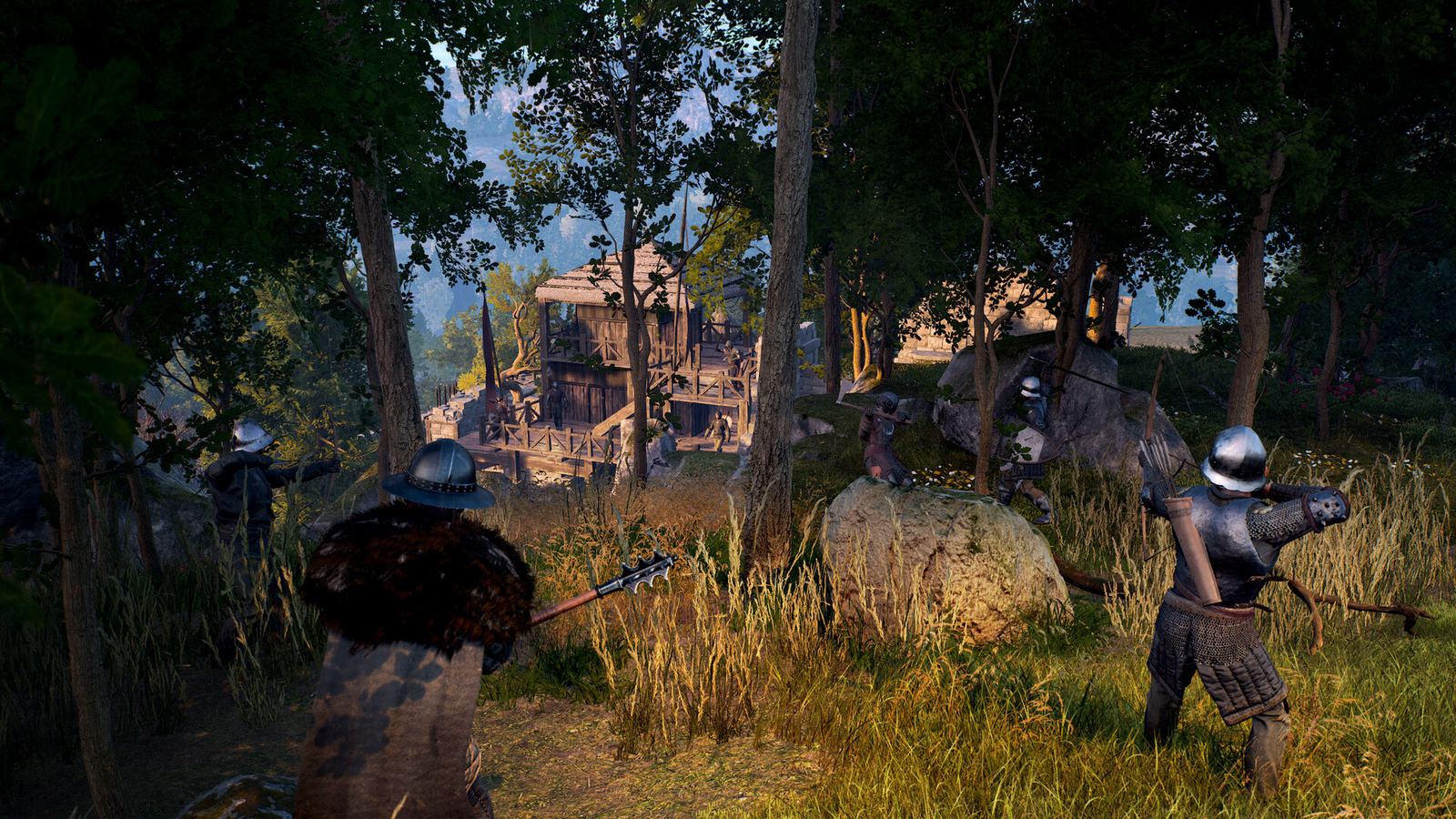 Follow the link that fixes the symptom you can see, not every related topic at once.
 Open Resources when outpost timing makes sense and you need one exact material or supply page before building.
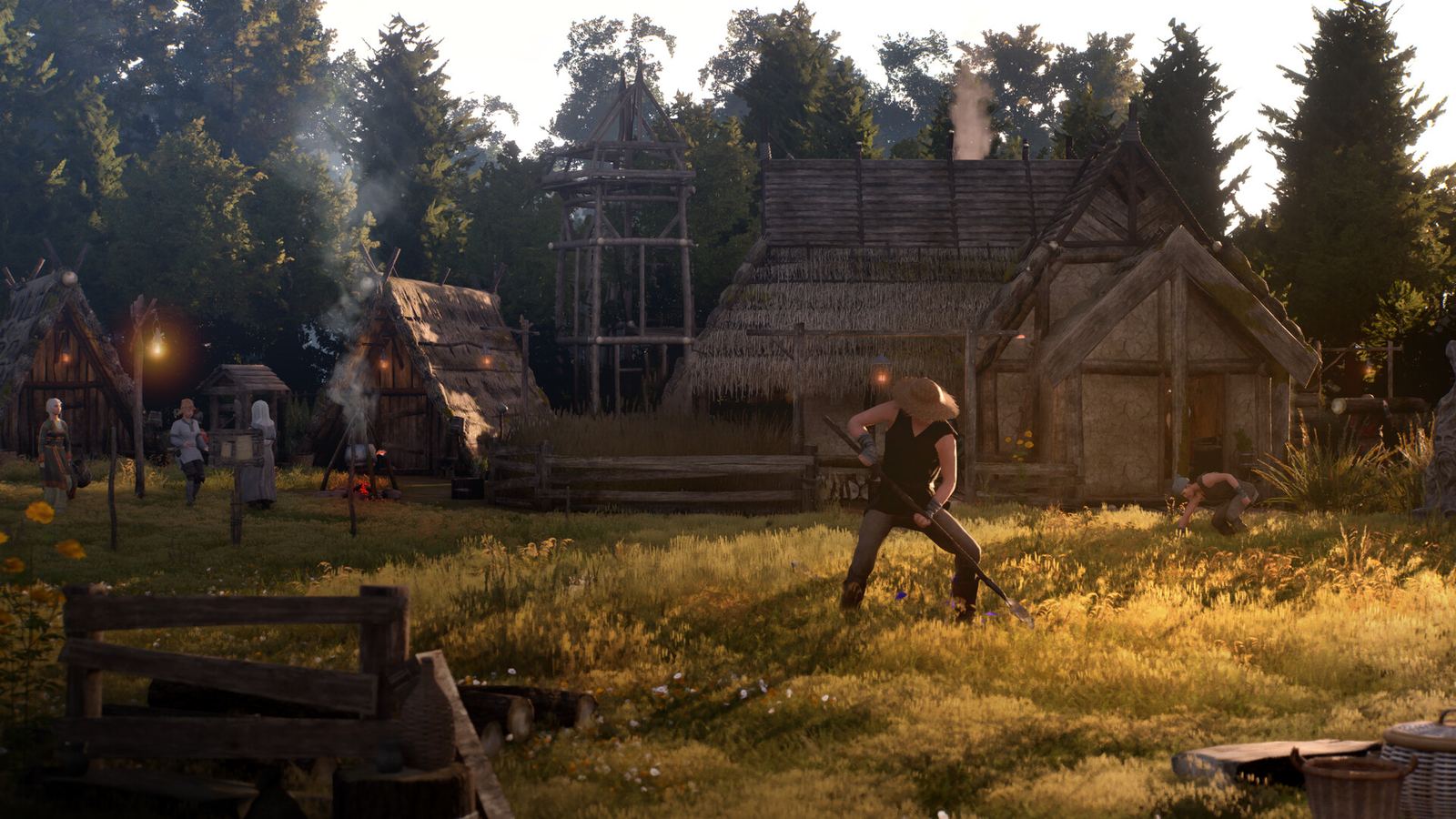 If the camp still feels premature, move to the page that fixes the actual blocker first: food support, hauling flow, route distance or base stability.
Use this before building the first outpost. A good outpost should solve a repeat route problem, not just fill empty map space.