Route waste
The fight is memorable, but most of the lost day happens before and after it
Shorter routes and better return plans often help more than a small damage upgrade.
Long combat trips
A combat trip usually eats the whole day when the route is too long, the prep is too weak or the fight itself still is too slow for the current stage. The lost time often starts before combat starts.
Use this when
Use this page when combat is technically possible but the food, travel and recovery cost is too high for the current save.
Combat trip diagnosis lanes
Route waste
Shorter routes and better return plans often help more than a small damage upgrade.
Prep waste
Combat prep should let the outing finish cleanly instead of turning every fight into a full-day recovery event.
Gear waste
Upgrade gear only when it cuts the trip cost, not because it looks like the next shiny step.
Timing waste
Delay harder fights until food, gear and village support make the outing pay back reliably.
Where the time usually goes
Players remember the fight, but the bigger time loss often comes from long travel, clumsy recovery and the wrong target for the stage.
Better route value often solves more than one weapon upgrade does.
Why it matters
That lost time means fewer stable support actions back home, which is why bad combat rhythm can slow the whole save.
Shorter combat loops are really wider progression upgrades.
Because route waste, weak prep and slow fights often stack together, making the outing much more expensive than it looks.
Often route and prep first, then gear. Many players try to solve a long outing with combat stats alone.
Use better carry food, cleaner routes and more controlled fights so the outing returns value without stealing the whole day.
 Pick the linked fix that matches the symptom before opening another broad category.
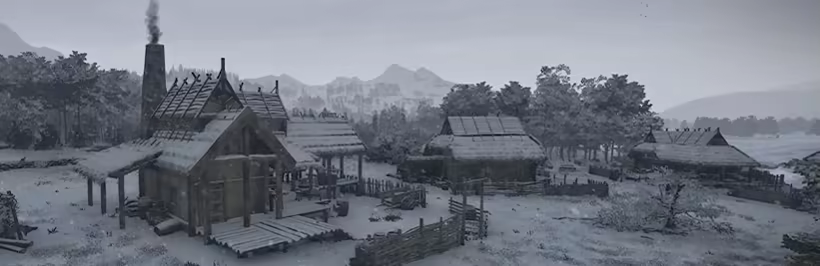 Open Resources when the trip plan is fine and the only thing left is the exact item page for food, gear or supplies.
 After the time loss is diagnosed, move to the page that removes the next combat inefficiency still eating the day.
Before changing equipment, write down the order of the outing: departure, travel to the target, the first engagement, healing or food pauses, the return route and unloading. The longest segment is the one to fix. If travel is the largest segment, choose a nearer target or combine the trip with a resource stop. If recovery is the largest segment, carry food that lets you continue instead of returning early. If the fight is the largest segment, retreat after the first failed attempt and read the first-fight diagnosis rather than repeating the same approach.
Use the same four questions before each longer fight: Is the target on the current route, is the carry food sufficient for one unexpected delay, is there a clear return destination, and does the reward unlock the next planned step? If one answer is no, change the plan before walking out. This keeps combat from competing with village duties during the same daylight window.
Use these notes to shorten the whole combat day, not just the fight itself: route, food, target and recovery all count.