Bellwright Reference may display advertising to support site upkeep, content updates and future guide expansion.
Quick Answer: Ads may appear on this site through third-party services, and those ads help support ongoing content updates.
How Ads May Appear
Ads may appear only on selected public content pages when the publisher account has them enabled.
The site does not treat policy pages, contact pages, internal directories, update logs or noindex support pages
as advertising destinations. Google controls the final ad format and availability. On pages that are eligible for ads,
the site sets Google advertising consent defaults to denied before loading the AdSense tag that can display
Google Privacy & messaging consent flows for the visitor's region.
CMP publication and Auto Ads placement are partly controlled outside this repository. The code can confirm which pages
load the shared AdSense tag, which pages are intentionally left without it, which regions start with Google ad consent
denied, and which page areas are marked as protected. The final CMP message state and exact Auto Ads positions must
still be checked in Google Privacy & messaging, Auto Ads preview and the publisher dashboard. The current repository boundary is documented in
adsense-auto-ads-boundaries.json.
Editorial Independence
The purpose of the site remains practical Bellwright help. Guide pages are built around player questions,
route planning and in-game usefulness, not around forcing extra page views.
Third-Party Advertising
Third-party ad providers may use cookies or similar technologies to serve and measure advertisements.
Their practices are governed by their own privacy and advertising policies. See the
Privacy Policy for Google advertising-choice links and cookie information.
The Privacy Choices control calls Google's privacy message interface when that interface is available for the visitor's
region and the publisher account. For EEA, UK and Swiss users, the publisher account still needs a published
Google-certified CMP or Google Privacy & messaging consent message before personalized ads are served; repository code
alone cannot prove that publisher-dashboard state.
Advertising and Guide Quality
Ads may appear on the site to support hosting and ongoing updates, but guide content should stay focused on what helps Bellwright players solve problems in game.
Advertising placement should not change the practical recommendation on a page. Route, resource, food, worker, village, crafting and combat advice should remain organized around player needs first.
Reader Experience Standard
Ads should not make the guide harder to use. The main answer, route logic, item links and next-step recommendations should remain easy to find before a player has to scroll through the rest of the page.
If advertising placement ever distracts from the guide itself, the layout should be adjusted so the player can still quickly reach the practical Bellwright answer they came for.
Return to the useful part of the site
After checking the disclosure, continue with the Bellwright section that solves the player problem, item question, or route decision you need.
Return to guidesUse guides for player problems such as food collapse, slow workers or weak combat prep. Guides
Return to resourcesUse resources for one exact material, item use or support-chain lookup. Resources
Return to routesUse the Map Guide when the next useful answer is a route, POI or return plan. Map Guide
Return to useful Bellwright guide sections
After reviewing advertising details, these guide paths take you back to practical player help.
After reviewing the disclosure, return to the guide, resource or route section without mixing advertising policy with gameplay advice.
Why this page mattersThis page helps visitors understand the site and return to practical Bellwright help without getting lost.
Best next actionAfter reading this page, most players should go back to the resource guide, guide list, or Map Guide depending on the problem they are trying to solve.
How it supports the siteClear support pages make the guide feel more complete and trustworthy, while the links keep visitors moving toward useful gameplay answers.
Ad Placement Standards
Advertising should never be used to hide the main answer, imitate navigation, force a click, or interrupt access to a Bellwright guide. The practical content, route links and correction path should remain easy to reach on both desktop and mobile pages.
If a future ad placement makes a page harder to read, the layout should be adjusted before more placements are added. The site should prioritize useful guide sections first, then place ads around the content in a way that keeps the article readable. Because Auto Ads can choose positions at runtime, placement review must also happen in the AdSense dashboard after code changes, format changes or experiments.
No forced actionReaders should be able to browse guide content without signing in, clicking an ad or opening a popup.
No misleading placementAds should not look like resource buttons, map links, download links or official game actions.
Content remains primaryThe first answer, guide body, internal links and feedback path should stay visible and useful.
No ads on policy or noindex pagesPrivacy, contact, terms, editorial, update-log and noindex support pages remain outside the advertising layer.
CMP code boundaryEligible ad pages default Google advertising consent to denied, load the AdSense tag through the shared script, expose a Privacy Choices control, and report runtime state through window.BELLWRIGHT_ADSENSE_CONSENT_STATUS.
Auto Ads audit boundaryThe repository marks key navigation, answer, quick-jump, FAQ, sidebar, footer and policy controls as protected areas, but final Auto Ads positions must still be verified in AdSense preview and page exclusions.
CMP and Auto Ads Verification Boundary
The repository can confirm that only selected pages expose the AdSense client marker, that pages without that marker do not load the shared AdSense loader, that Google advertising consent starts as denied, and that protected page areas receive Auto Ads skip markers. It cannot fully confirm the published Google-certified CMP message or Google's final Auto Ads placement, because those can vary by account setting, visitor region, viewport, experiment and available ad format.
The publisher-side review should use Google Privacy & messaging preview, Auto Ads preview, page exclusions and excluded areas for policy pages, contact pages, update logs, internal topic lists, main answer blocks, quick navigation, related-link clusters and footer policy controls. If preview places an ad in one of those areas, or if no required regional consent message appears, the dashboard setting should be tightened before the placement is considered acceptable.
How Advertising Is Separated From Editorial Work
Guide recommendations should not change because of advertising. A route, item, weapon, food or village suggestion should be written for the player problem on the page, not for ad placement or a paid promotion.
No sponsored rankingsPages do not rank Bellwright routes, items or guide links because an advertiser paid for placement.
No ad-like navigationButtons and internal guide links should remain clearly separate from any ad area.
Reader report pathIf an ad placement feels confusing or blocks content, readers can report the page through Contact.
Reader-Friendly Ad Boundaries
Ads should support site upkeep without becoming the main experience. Bellwright Reference should keep guide text, resource links, route notes, screenshots and correction links usable before, between and after any ad placement.
Readers should not need to click an ad, open an offer, register for an account or leave the site to read a guide page. If a placement ever makes the practical answer harder to reach, the layout should be reviewed before adding more ad areas.
No blocked readingGuide articles should remain readable without popups, login walls or forced ad clicks.
No fake downloadsAds or layout elements should not imitate mod files, save files, map buttons or official Bellwright actions.
No content biasAdvertising should not decide which route, item, build order or gear recommendation appears on a guide page.
How Ad Issues Are Reviewed
If a reader reports that an ad covers a guide section, looks like a navigation button, slows down the page, or appears beside a sensitive mistake-prone area, the page should be checked against the reader experience standard. The preferred fix is to protect the guide layout first, then adjust ad placement after the content remains readable and the next useful Bellwright link is still easy to find. This keeps monetization secondary to practical guide use.
How advertising is kept separate from guide advice
This disclosure explains how ads are separated from the practical Bellwright guidance players came here to read.
Reader trust noteThis disclosure keeps advertising expectations clear while leaving gameplay pages focused on useful Bellwright answers.
Best user pathAfter checking disclosure details, players should return to the resource, route, or decision pages that solve their current in-game problem.
Site quality roleA clear disclosure page makes the site feel more complete and transparent, which helps long-term user trust.
This disclosure now documents the selected-content-page boundary, Google Privacy & messaging path and certified-CMP requirement boundary.
 Resources
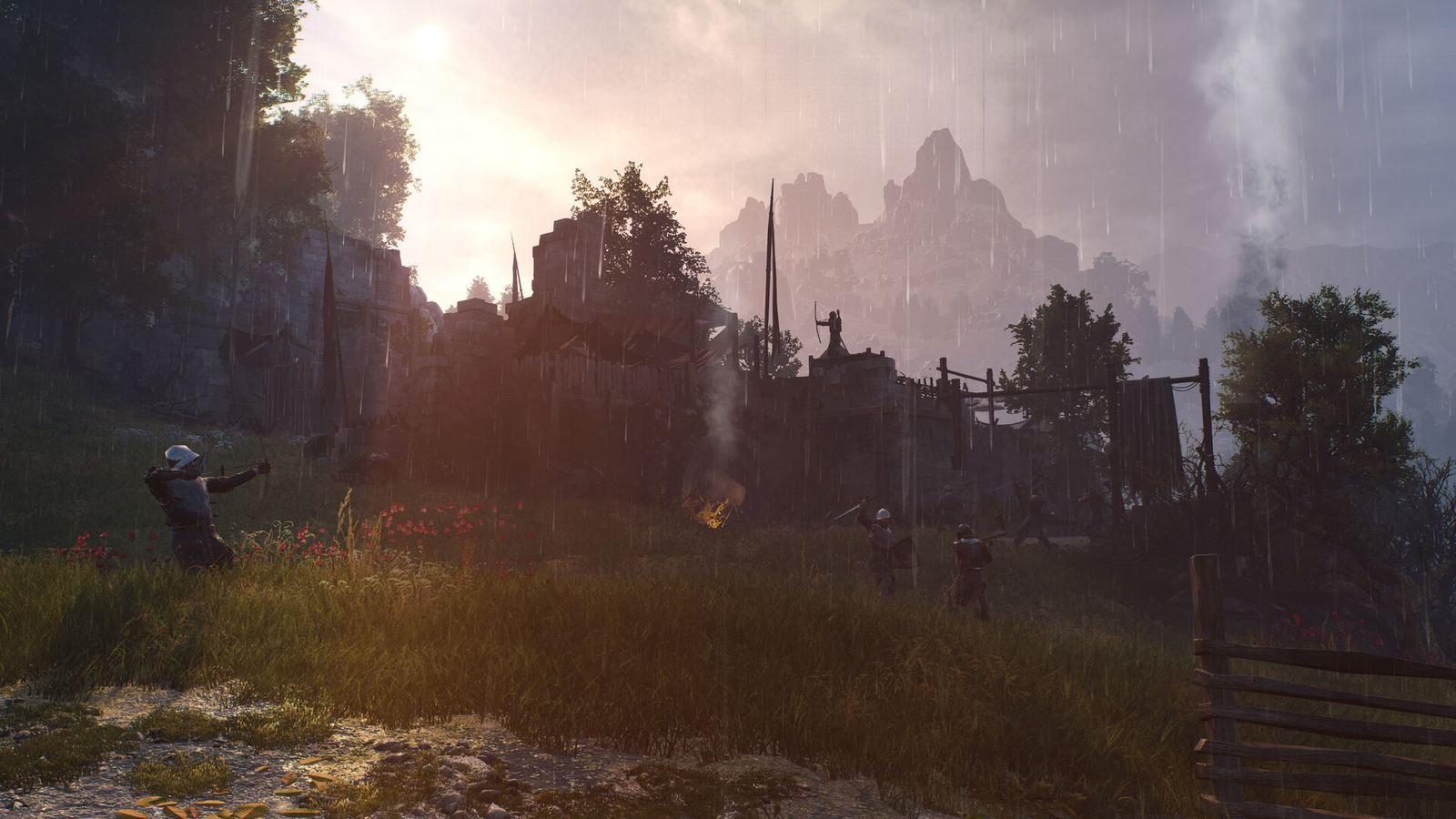 Guides
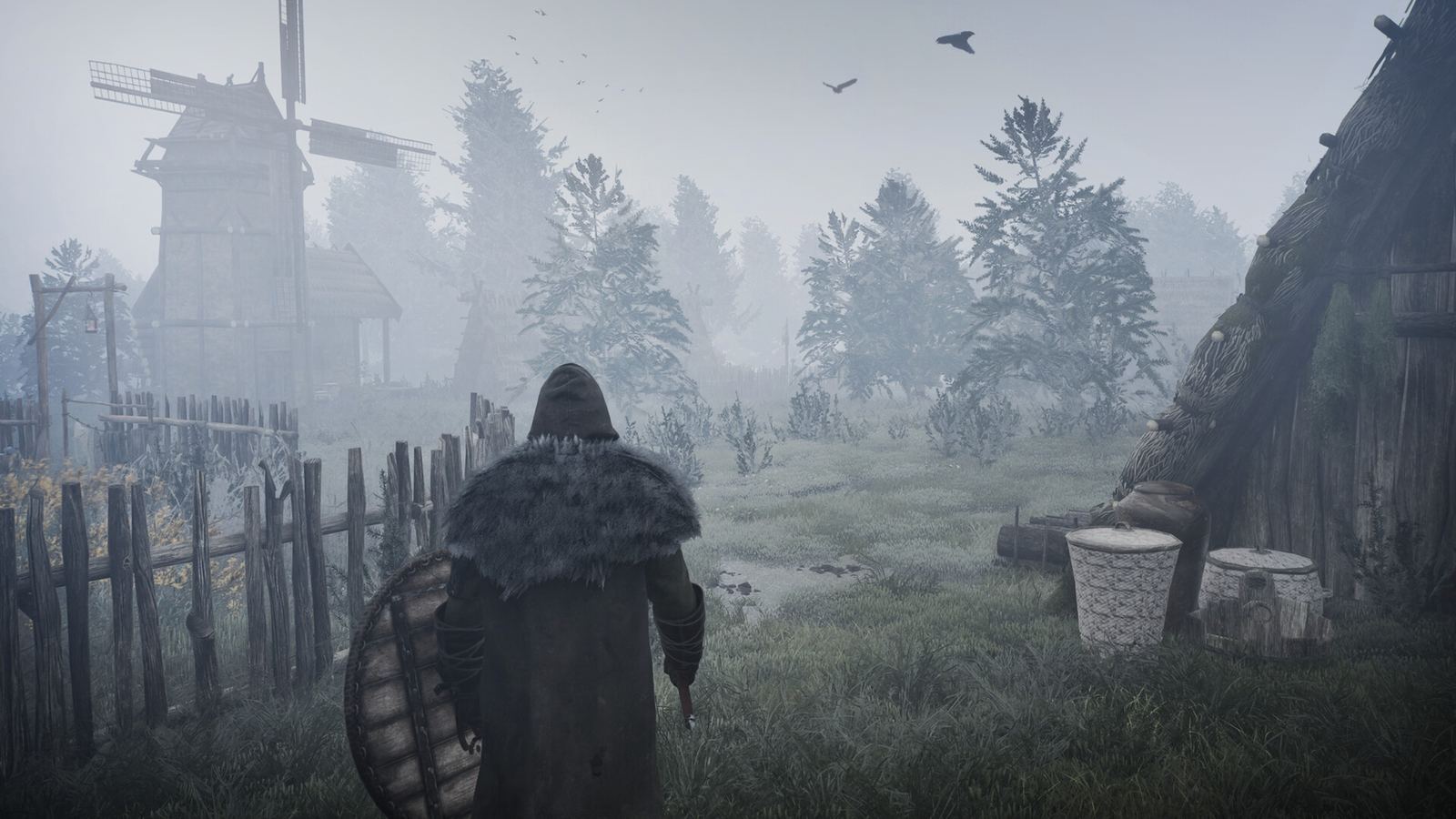 Map
Map